

Preeclampsia
Immco has the unique ability to use the first FDA-cleared biomarker test to assess risk of developing preeclampsia to give you a complete picture of your patients’ health as possible.
Preeclampsia Testing
Preeclampsia is a serious pregnancy-related hypertensive condition that impacts approximately 3–4% of pregnancies in the United States. It typically emerges after the 20th week of gestation and can only be resolved through childbirth. This disorder is a major contributor to health complications and risks for both mothers and their babies.
Immco has the unique ability to use the first FDA-cleared biomarker test to assess risk of developing preeclampsia to give you a complete picture of your patients’ health as possible.
PreClara™ Ratio (sFlt-1/PlGF) Test Overview
- Purpose: First FDA-cleared biomarker test to assess risk of developing preeclampsia with severe features in hospitalized pregnant women.
- Biomarkers Measured: Soluble fms-like tyrosine kinase 1 (sFlt-1) and placental growth factor (PlGF).
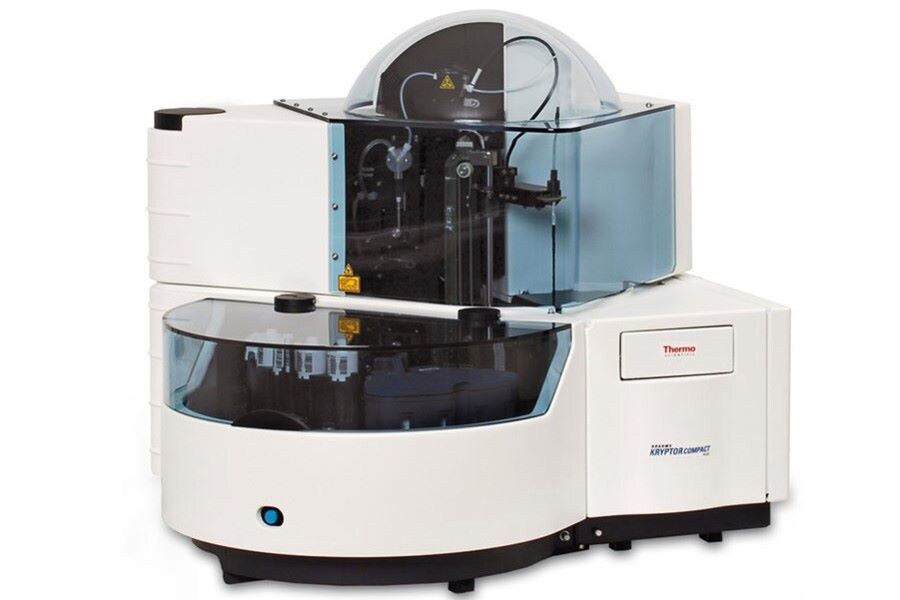
- Platform: Conducted using the B·R·A·H·M·S KRYPTOR immunoassay analyzer.

Clinical Use and Interpretation
- Target Group: Singleton pregnancies between 23+0 and 34+6/7 weeks gestation with hypertensive disorders.
- Risk Stratification:
- Ratio < 40: Low risk for progression to severe preeclampsia within two weeks.
- Ratio ≥ 40: High risk; consider intensified surveillance and care.
PRAECIS Study Highlights
- Largest U.S. prospective study on this topic.
- Included diverse populations (30% Black, 16% Hispanic).
- Demonstrated strong predictive value for adverse maternal and fetal outcomes:
- 96% Negative Predictive Value
- 94% Sensitivity
- Ratios were significantly higher in patients with severe outcomes.
Clinical Guidance
- Supported by the American College of Obstetricians and Gynecologists (ACOG) as a complementary tool for risk stratification in hospitalized patients.
This test helps clinicians make informed decisions about expectant management versus stepped-up care for pregnant women at risk of severe preeclampsia.


Reference Lab Services
Lab capabilities to accelerate your movement
Blank Place Holder
PreClara™ Ratio (sFlt-1/PlGF)
PE Ratio Test 0998